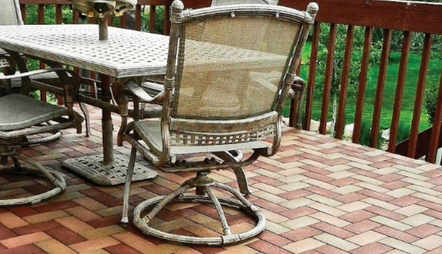
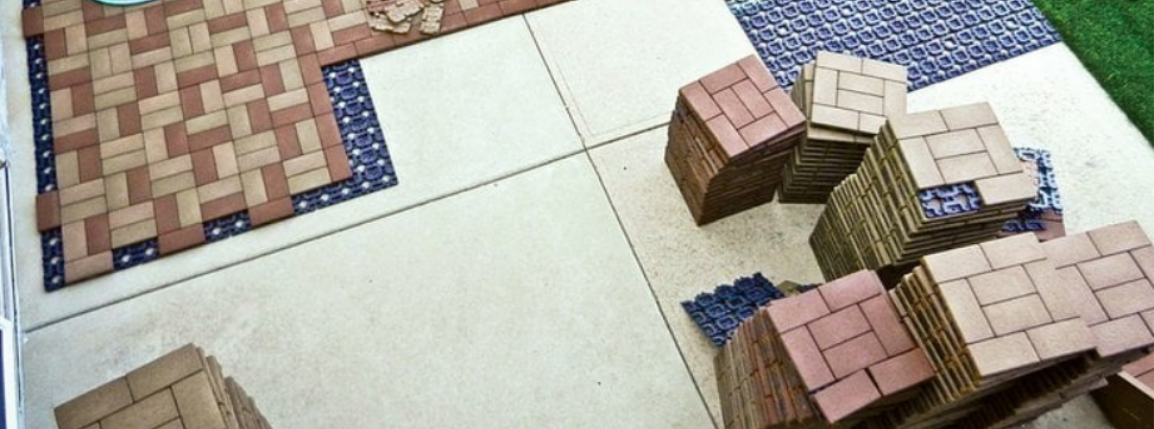
If you’re planning a new patio, walkway, or driveway, one of the first questions you’ll ask is: How long do pavers last? It’s a smart question, and the answer ultimately depends on a few key things, including the type of paver you choose, how it’s installed, and how well it’s maintained. While most traditional pavers last a few decades, newer systems like Aspire Pavers are engineered for even longer performance with far less upkeep.
In this article, we’ll explore how long different pavers last, what factors affect their longevity, and how you can build an outdoor space that stays beautiful for years.
How Long Do Pavers Last on Average?
Most people want a patio or driveway they can set and forget for years without worrying about shifting, cracking, or fading. So, how long do pavers last under typical conditions?
In general, quality pavers last 25 to 50 years. That’s a wide range, and it mostly comes down to the material and how it’s used. A paver walkway will naturally last longer than a driveway that takes on lots of traffic every day. But even heavy-use areas can go the distance if you choose the right product.
Aspire Pavers, for instance, are built with high-strength, recycled materials designed to resist the most common forms of wear: cracking, UV fading, and water damage. As a result, they last much longer than your average pavers.
Paver Material Lifespans
The type of material you choose can dramatically affect how long your installation will last. Here’s a quick breakdown of typical lifespans by material:
Concrete Pavers: Are you wondering: how long do concrete pavers last? Usually around 20 to 30 years with proper care. They’re affordable but can crack or fade if not sealed.
Clay Brick Pavers: These often last 50 to 100 years. Very durable, but more prone to chipping and more difficult to replace individually.
Natural Stone Pavers: Granite, bluestone, or slate can last a lifetime. But they’re expensive and may require sealing and re-leveling over time.
Composite Pavers: Like Aspire Pavers, these use recycled materials and advanced engineering to offer a 50+ year lifespan with minimal maintenance.
Rubber Pavers: Eco-friendly and slip-resistant, but better for low-traffic areas as they wear more quickly outdoors.
Material truly does matter, but as you’ll see in the next session, so does how and where you use it.
What Affects Paver Lifespan?
You could have the most durable pavers in the world, but if they’re poorly installed or exposed to harsh conditions, their life will be cut short. Let’s look at the biggest factors that wear pavers down:
Installation Quality: A weak base or poor leveling job will lead to sinking and shifting within a few years.
Climate and Weather: Freeze-thaw cycles, snow melt, and heavy rain can break down lower-quality materials.
Traffic Load: Patios and rooftops hold up longer than driveways. Choose high-strength pavers for vehicle use.
Sun Exposure: Prolonged UV can fade many surfaces. Fortunately, our pavers are UV-resistant, so they stay vibrant longer.
Drainage Design: Standing water can lead to erosion or weed growth if not addressed properly.
Sealing Requirements: Some pavers require frequent sealing to protect from stains and water. Our pavers do not.
How Long Does a Paver Patio Last?
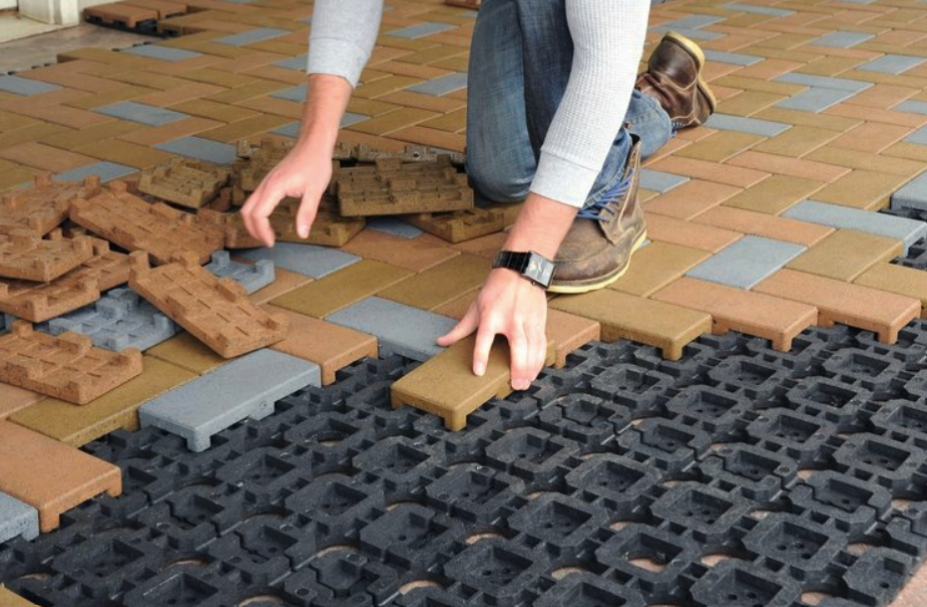
If you’re building a patio, you’re probably wondering: How long does a paver patio last? A typical installation lasts 20 to 30 years, depending on the base, materials, and exposure. But if you’re using UV-stable, water-resistant products like Aspire Pavers, you can expect a longer lifespan with fewer repairs.
The secret is in the structure. Our modular grid system reduces the chance of shifting and settling, and our composite pavers don’t absorb moisture like porous concrete. That makes a huge difference in how long paver patios last, especially in wet or variable climates.
Tips to Make Pavers Last Even Longer
There are simple steps you can take to extend the life of your patio, driveway, or walkway, no matter what material you use. Here are the most effective ways to get more years out of your pavers:
Keep Surfaces Clean: Regular sweeping and rinsing help avoid mold and grime buildup.
Control Weeds: Pull weeds early before roots can shift or lift your pavers.
Check Your Drainage: Water pooling can cause surface staining or base erosion, so keep an eye on your drainage.
Avoid Harsh Chemicals: De-icing salts and acidic cleaners can eat away at concrete, but won’t harm Aspire Pavers.
Use Furniture Pads: Protect against drag marks or sharp corners that might chip surfaces.
Repair Early: Replace damaged pavers before cracks spread.
Inspect Edges: Make sure borders and restraints stay in place to keep everything tight.
Why Aspire Pavers Are Built to Last
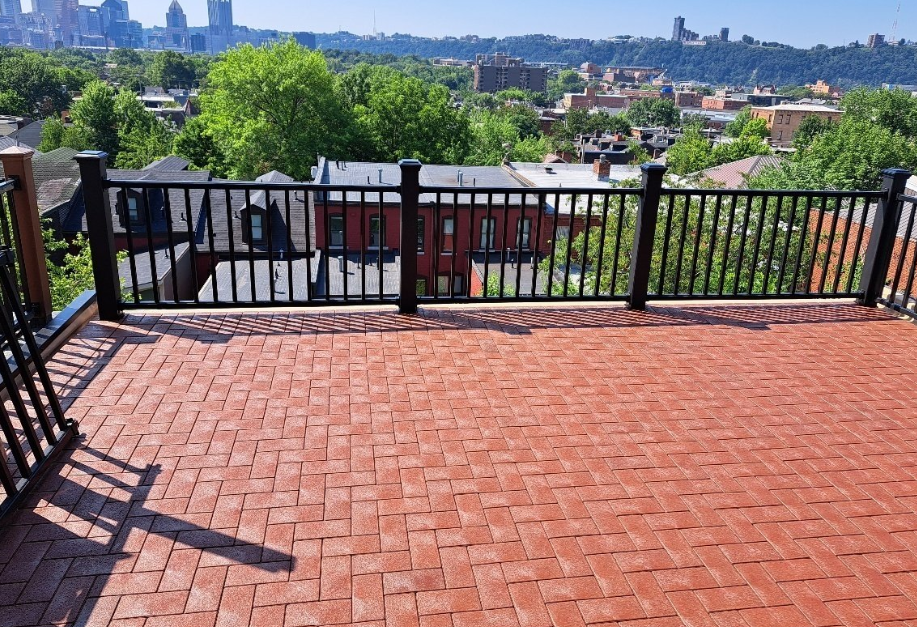
If you want to stop asking, “How long do pavers last?” and start planning for the long term, our pavers are your best bet. They’re made from post-consumer recycled materials and manufactured to be UV-resistant, water-resistant, and highly durable. Unlike traditional pavers that rely on mortar or gravel beds, our lightweight grid system installs faster and stays stable longer on driveways, rooftops, patios, and walkways.
They don’t crack. They don’t fade. And they don’t require sealing or staining every couple of years. Plus, if anything does happen, individual pavers can be easily replaced without tearing up the whole space, making your long-term maintenance as smooth as day one.
Build for the Long Haul with Aspire
So, how long do pavers last? With quality materials, smart installation, and a little maintenance, they can last 30 to 50 years or more. But why settle for average when you can build with engineered excellence?
Aspire Pavers are a long-lasting, low-maintenance solution for patios, driveways, rooftops, and more. Contact us today to get started!