Building a ground level deck is a great way to use yard space without the cost and installation time of an elevated deck. If the deck is freestanding, meaning it isn’t attached to a structure, it can be built without the need for concrete footers.
Instead, the best way to build a ground level deck is by using precast concrete deck piers, deck blocks, or – your best option – building it directly on the ground with Aspire pavers.
A Step-By-Step Guide on How to Build a Ground Level Deck
Building a ground level deck can be a significant undertaking, but with the right plan, it can go smoothly. How much to build a ground level deck depends on the size, shape, and materials you choose. Here is a comprehensive step-by-step guide to building a ground level deck close to ground level.
Step One: Check the Building Code and Obtain Permits
The International Residential Code (IRC) Section R507 states that freestanding decks don’t need concrete footings if the joists are directly supported on grade over their entire length. This means that you can prepare the surface and rest the joists directly on the ground. Be sure to check your local building codes to make sure you’re adhering to all of the requirements because building codes vary depending on individual municipalities.
Depending on your location, you may need to obtain a building permit before you build a ground level deck. In some municipalities, decks smaller than 200 square feet and less than 30 inches from the ground don’t need a permit, but you should always check to be sure.
Step Two: Plan the Layout
Once you’re up to date on local codes, it’s time to plan the layout of the deck. After sketching it out, you can use posts and string to see the layout in the yard and make any necessary adjustments.
Whatever you decide, you should aim to create a ground level deck that complements your outdoor space and gives you exactly what you want in the process. That means don’t skip the details! They are going to make the difference in how you use and how much you enjoy your ground level deck.
Step Three: Choose the Materials
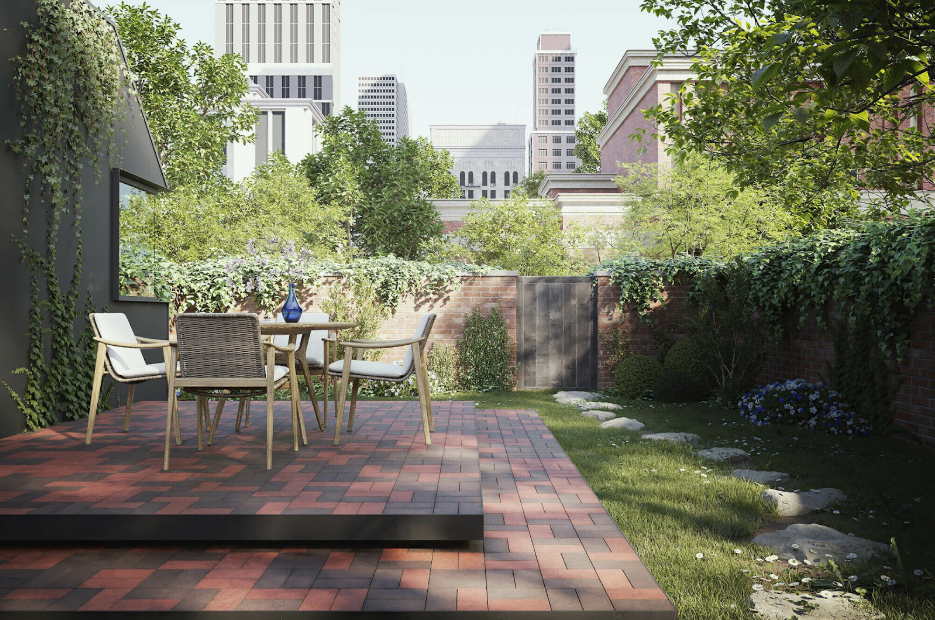
The best way to build a ground level deck is with pressure-treated wood that can handle extended contact with the ground. The decking material should be a durable, high-quality material. Choices include wood, concrete, porcelain, or composite, though composite offers superior benefits such as no maintenance and easy installation.
Step Four: Prepare the Ground
A properly prepared surface can help create a stable and long-lasting deck and is one of the most important steps in building a ground level deck. After you’ve marked out the deck’s perimeter, remove the sod and topsoil from the area and compact the ground using a compactor.
Next, lay landscape fabric over the area to discourage weeds from growing underneath the deck. If the beams or joists will be partially buried, dig the necessary trenches. If you’re using deck blocks as a foundation, place them where the corners will be. If you’re using gravel for better drainage, lay the gravel in the desired location.
Tips on How to Prepare the Site
Here are some need-to-know tips for preparing a site for a ground level deck installation:
Create a Level Surface: Start with a level base. Use a laser level or a bubble level to check grade consistency.
Make Sure the Base Layer is Permeable: Lay down a gravel base before placing the interlocking system for Aspire pavers to promote water drainage and minimize erosion.
Use Weed-Blocking Fabric: Install landscape fabric under the gravel and decking to prevent plant growth that could disrupt the ground deck surface.
Compact the Soil: Before laying any pavers or blocks, compact the soil thoroughly to avoid shifting over time and ensure long-term stability.
Outline the Deck: Use stakes and string to define the exact area of your low to ground deck before beginning foundation work.
Step Five: Lay the Foundation
For a durable and stable ground level deck, choosing the right foundation method is key. One popular option is using precast deck blocks, which are positioned at all critical support points, including corners, midpoints, and beam intersections. These blocks can rest on a compacted gravel base for additional drainage and stability.
If you’re building a ground level deck on a solid base, you can also rest pressure-treated beams directly on the grade, especially for small decks that won’t carry heavy loads.
Another increasingly popular foundation method is using Aspire’s grid system with composite pavers. These installation grids allow you to skip the joist and beam process altogether for specific types of in ground deck designs. Building a ground level deck is simple and efficient with Aspire’s interlocking grid system—perfect for DIYers and contractors alike.
Step Six: Install the Deck
Once the planning is done and it’s time to build a ground level deck, construct the frame using beams that either rest on deck blocks, gravel, or the ground. Once the beams are set and secure, attach joists perpendicular to the beams to act as the support for the decking. At this point, you’ll install the decking material. If the deck is less than 30 inches high, railings aren’t required, but they can provide an additional safety measure in addition to aesthetic benefits.
Step Seven: Choose Your Amenities
Building a ground level deck means you’ll have a great place to entertain or relax, so the amenities you choose depend on how you will use the deck. Ground level decks can be built around a fire pit. They can include a range of entertainment options, like a foosball table, a fireplace, or an outdoor kitchen or bar. Or you can give in to temptation and do all of the above!
The Best Amenities for a Ground Level Deck
Looking for the best amenities for a ground level deck? Check out these ten must-have upgrades for ground level deck design:
Fire Pit Seating Area: This creates a cozy gathering spot for cool evenings with friends and family.
Outdoor Dining Table: This provides the perfect place for hosting meals and backyard BBQs.
Built-In Benches: These offer additional seating without the need for bulky furniture.
Outdoor Kitchen: This allows you to cook and entertain outdoors with ease and style.
Pergola or Canopy: This adds shade and structure, making the deck more comfortable and visually appealing.
Lighting Features: These enhance both safety and ambiance with solar or LED deck lights.
Privacy Screens: These add visual interest while creating a more secluded and intimate space.
Planters or Container Gardens: These integrate greenery directly into your deck’s layout for a lush, natural touch.
Water Features: These include fountains and small ponds that contribute to a tranquil and relaxing environment.
Outdoor Games Zone: This designates space for fun activities like cornhole, foosball, or darts.
Step Eight: Integrate Your Design Into the Landscaping
When you build a ground level deck, you have the unique opportunity to blend your outdoor living space directly into the surrounding landscape. This can make your ground contact deck feel like a natural extension of your yard.
Use planters, flower beds, or vine-covered trellises to visually tie the deck to the landscape. You can edge the perimeter with decorative gravel or mulch or build curved steps into the grass to soften transitions. If you’re installing a deck on ground near trees or garden beds, design the edges to wrap around existing features, maintaining a seamless flow from hard to soft.
Choose Aspire Composite Pavers for Your Ground Level Deck Surface
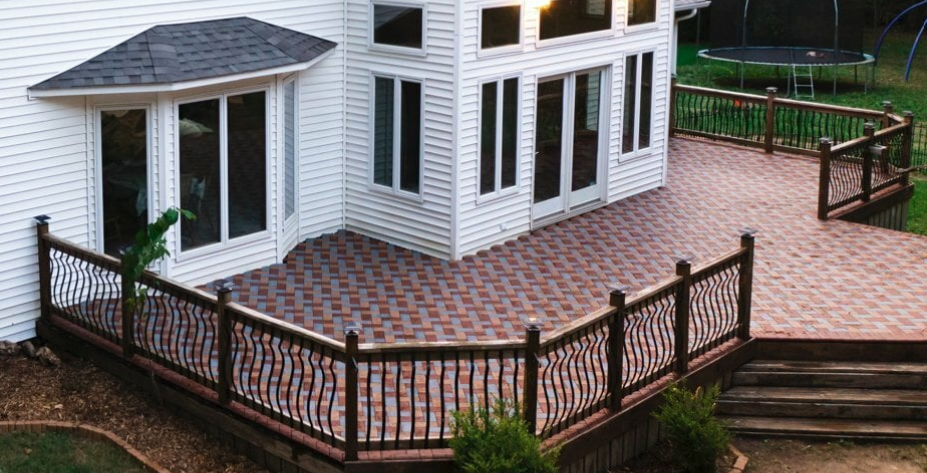
Aspire Pavers are the ideal choice for a ground level deck, and they provide many benefits over other materials, including:
Lightweight
Our pavers are one-third the weight of traditional pavers in order to create less of a load on the deck. It also means they’re easier to move into place for easier installation.
Easy to Install
When you’re building a ground level deck, you’ll likely want the construction to go as quickly as possible, so you can enjoy your deck faster. Aspire Pavers can be installed in less than 40% of the time it takes to install traditional concrete pavers. Our patented installation grids allow you to quickly create beautiful patterns, and our pavers can be cut using common household tools.
Allow for Proper Drainage
Standing water can degrade a deck’s surface and frame, but Aspire permeable pavers help to facilitate proper drainage and keep the surface as dry as possible.
Durable
Highly durable, our products won’t stain, fade, crack, or chip like other materials.
Sustainable
Made from up to 95% post-consumer recycled plastics and tire rubber, our pavers help divert materials from landfills and are recyclable.
Build the Ground Level Deck of Your Dreams With Aspire
Planning a DIY ground level deck or working with a pro? Aspire pavers make the process faster, easier, and more sustainable. If you’ve ever wondered, “Can you build a deck on the ground?” or “How to build a deck on the ground that lasts,” our pavers are the answer.
Contact the experts at Aspire today to see how our products can help you build a ground level deck and enhance your outdoor experience.